How to make a change
If you're here you're probably coming from my "Tips" page and want to know about how to make an effort to save animals without spending any money.
Or you've read the title/skimmed the text on my "Tips" page and think this is your guide to become the next Super-man, in which case I'm sorry to disappoint.
I'm not going to teach you how to shoot laser out from your eyes, what I will do is teach you how you can save lives that are vulnerable. In my eyes, that's teaching you to become a hero.

We grow up thinking we need capes, powers, money, influence.
But some of the most powerful heroes are simply people who choose to live differently.
You do not need money to make a difference for animals.
You need intention.
And you need to understand what’s really happening.
Eat More Plant-Based Meals
You don’t have to go vegan. But you should be severely cut down your meat intake. Factory farming is responsible for the overwhelming majority of animal suffering caused by humans.
According to the Food and Agriculture Organization (FAO), over 70 billion land animals are slaughtered globally each year for food, most raised in intensive confinement systems.
In factory farms:
-
Chickens are crammed into cages so small they cannot spread their wings.
-
Pigs are kept in gestation crates barely larger than their bodies.
-
Dairy cows are repeatedly impregnated, their calves removed shortly after birth.
This is where mass suffering happens. Even reducing meat consumption lowers demand.
Less demand = fewer animals bred into confinement.

Do Not Wear Fur
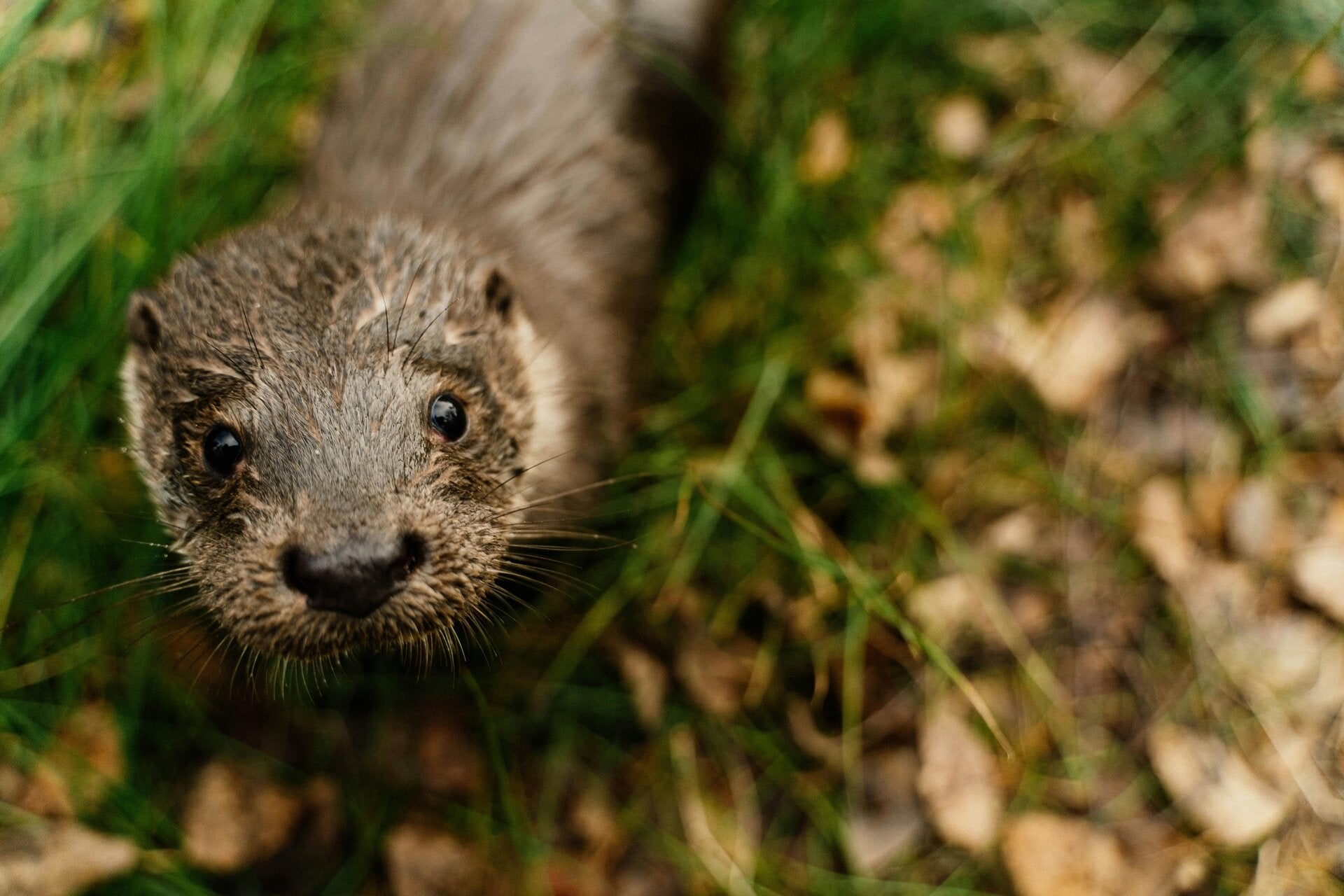
The fur industry confines animals like foxes and mink in wire cages where they pace endlessly from psychological stress. Many are killed by gassing or anal electrocution to preserve pelts.
According to Humane Society International, millions of animals are killed annually for fashion.
No jacket is worth a life lived entirely in a cage.
Adopt. Never Buy from Pet Stores.
Commercial breeding facilities (“puppy mills”) often force female dogs to breed repeatedly, confine them in unsanitary cages and discard them when they are no longer profitable. The ASPCA estimates thousands of puppy mills operate in the United States alone.
When you adopt, you refuse to fund forced breeding, reduce shelter overcrowding, give an already existing animal a second chance.
Adoption costs nothing in principle. Choosing not to buy is free.
Not to mention, never buy a pet as a gift. They are your companions for life, not a holiday present. Most of the time when pets are given as gifts, the person isn't actually capable or ready to take care of it properly. Estimates suggest that hundreds of thousands of pets given as gifts are abandoned or surrendered to shelters each year, particularly in the weeks following the holiday season. Pets are lives, not objects to give.

Vote Carefully
Wildlife protections, environmental regulations, and farming laws are political decisions.
Policies affect:
-
Habitat protection
-
Pesticide regulation
-
Factory farm oversight
-
Wildlife trafficking enforcement
Your vote shapes how animals are treated in your country.
That costs nothing.

Refuse Animal Testing
In animal testing labs, animals are injected with chemicals, force-fed substances, locked in restraint devices and sometimes subjected to painful skin or eye irritation tests. Puppies are quite literally getting their head locked into cages filled with fleas.
Organizations like Cruelty Free International document these practices extensively.
Look for the Leaping Bunny certification. It indicates no new animal testing was conducted at any stage of product development.
Choosing not to support animal-tested brands costs nothing. It is a refusal.
Do Not Support Unethical Zoos or Wildlife “Photo Ops”
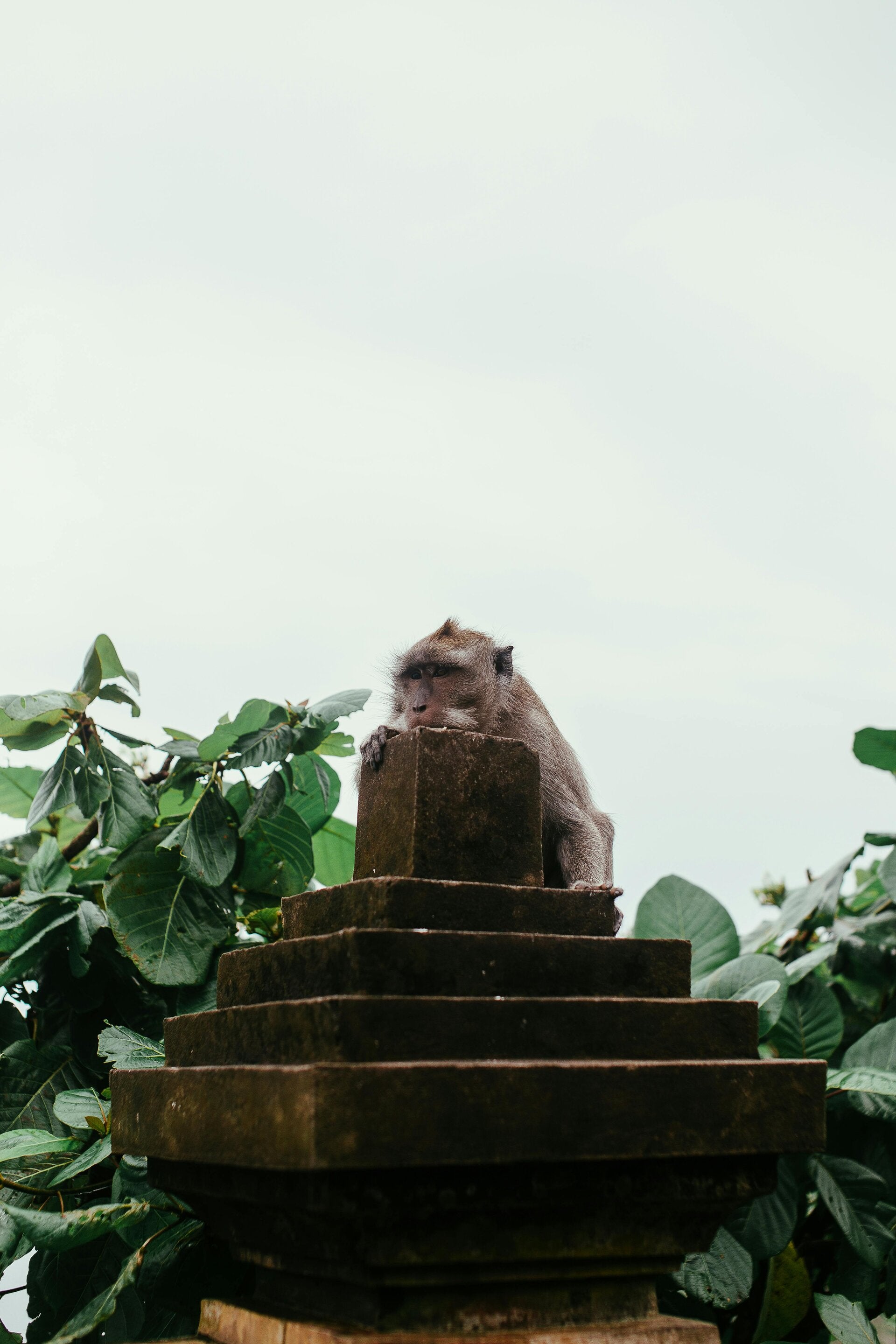
If you are offered a tiger cub to hold, a sloth (that is most likely sedated) for a photo or an elephant to ride...
Understand this: wildlife used for tourist interaction is often separated from mothers, restrained, drugged or trained through force and abuse.
World Animal Protection reports that thousands of wild animals are exploited in wildlife tourism venues globally.
That photo lasts 10 seconds.
The animal’s suffering lasts years.
Walk away.
Turn Your Backyard into a Wildlife Sanctuary
You can:
-
Avoid pesticides and herbicides (which kill pollinators and contaminate soil and water)
-
Plant native species (which support local insects and birds)
-
Remove invasive species (research what’s invasive in your region!)
-
Provide fresh water (birdbaths, shallow bowls)
-
Pick up litter. Even if it isn’t yours
The U.S. Environmental Protection Agency warns that pesticides contribute to pollinator decline and ecosystem imbalance.
Small habitats matter.
A yard can become a refuge, and look better than any other backyard ever has.
Keep Domestic Cats Indoors
According to the Smithsonian Institution, free-roaming domestic cats kill billions of birds and small mammals annually in the United States alone.
And it’s not just about wildlife predation. A cat’s urine can also impact the environment. It contains concentrated levels of ammonia, urea, and other nitrogen-rich compounds that break down into strong-smelling, potentially harmful gases. Because domestic cats evolved from desert-dwelling ancestors, their urine is highly concentrated, meaning the chemical content is stronger and more potent than that of many other animals. In large numbers, particularly in densely populated areas with many outdoor cats, this buildup can contribute to soil and water contamination and unpleasant air quality.


Keeping cats indoors:
-
Protects wildlife
-
Extends the cat’s lifespan
-
Reduces disease transmission
They will not be depressed. They need enrichment, not exposure to cars and ecosystems they destabilize.
Fly Less. Use Public Transportation.
The Intergovernmental Panel on Climate Change confirms aviation significantly contributes to greenhouse gas emissions.
Climate change drives:
-
Habitat loss
-
Coral reef collapse
-
Food chain disruption
Less flying = less pressure on ecosystems.

Say No to Fast Fashion
Fast fashion drives:
-
Water pollution
-
Microplastic contamination
-
Habitat destruction
The United Nations Environment Programme reports that the fashion industry is one of the largest polluters globally.
Buy less. Buy secondhand. Buy from Vinted (where all the retired baddies sell all their clothes) Rewear.
Use Generative AI Only When Necessary
No you don't need to participate in that TikTok trend. We all know you won't post it anyway, and even if you do, I know damn well you'll get 100 views and 10 likes. Is it worth it, hero?
Data centers require immense energy and water for cooling.
Research from institutions such as the University of California Riverside highlights the substantial water usage associated with AI model training and data infrastructure.
Use technology intentionally.
Energy demand impacts ecosystems.
Pick Up Trash, especially Near Water
Plastic pollution kills marine life through:
-
Ingestion
-
Entanglement
-
Toxic chemical exposure
The National Oceanic and Atmospheric Administration estimates millions of marine animals die annually from plastic pollution.
If you see trash, pick it up.
That wrapper could be the difference between life and death for a turtle.


Volunteer for free
See if your city has any animal related volunteer work where you don't need to pay in order to help. There are plenty, trust me!
Join Animal Organizations & Sign Petitions
For this one you don't even need to leave your bed. You can literally do it through your screen.
Groups like WWF, Humane Society International and World Animal Protection provide tools to contact lawmakers, sign petitions and participate in campaigns. Pressure changes laws. Laws change systems!

The Truth
Awareness is strength.
You do not need to be perfect. You need to be consistent.
Animals are being confined, injected, burned, caged, separated from their young, displaced from habitats, poisoned by chemicals and strangled by plastic.
This is not dramatic language. It is documented reality.
And the most powerful thing you can do costs nothing...
Refuse to participate.
Refuse cruelty.
Refuse indifference.
Refuse convenience when it costs lives.
You don’t need a cape to be a hero. You just need to care enough to change small things.
And small things, multiplied by millions of people, save worlds.
Thank you
Thank you for taking the time out of your day to actually sit down and read this. Even bigger thanks if you implement some of these into your life. You're doing more than most people would, and that's what sets you apart. Knowledge is power, so if you'd like to educate somebody I'd be very happy if you shared this post.
If you like me, think I'm cool, have found value here and would like to support the continued growth of this platform, you can do so below. Any contribution helps me dedicate more time to expanding educational resources for animal wellbeing.
Lägg till kommentar
Kommentarer